
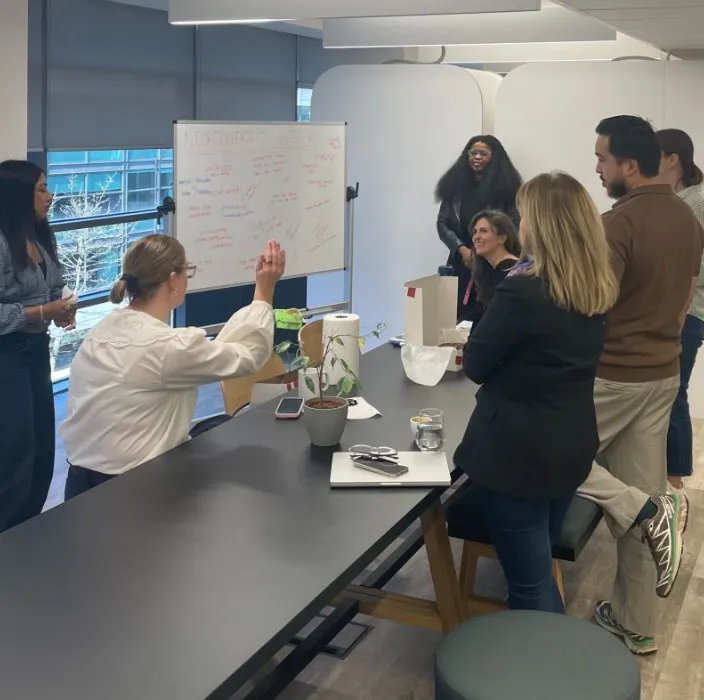
Australian organisations have spent the last several years updating their diversity and inclusion policies to reference neurodivergence. Autism, ADHD, dyslexia, and related conditions now appear in HR frameworks that did not acknowledge them a decade ago. What has not kept pace with that language shift is workplace practice. For many neurodivergent employees, the policy exists, and the experience does not match it.
Recognise Why Policy Alone Changes Very Little
A diversity policy sets a position. It does not change how a hiring manager runs an interview, how a team communicates expectations, or how an office is physically arranged. Neurodivergent employees encounter these conditions before they read the policy and long after they have forgotten it. The gap between stated commitment and daily reality is where inclusion either happens or quietly fails.
Identify the Structures That Work Against Neurodivergent Employees
Standard workplace design was built around neurotypical defaults. Open-plan offices create sensory environments that make sustained concentration difficult for many people with autism or sensory processing differences. Informal communication norms — the unwritten rules about when to speak, how to signal availability, what tone is appropriate — are invisible to employees who navigate the workplace differently. Performance reviews structured around subjective assessments of “cultural fit” and interpersonal style consistently disadvantage people whose working strengths lie elsewhere.
None of these structures is intentionally exclusionary. They persist because no one has examined them against a different set of needs.
Rethink the Hiring Process Before Day One
The interview process is where neurodivergent candidates are most frequently screened out. A standard competency interview rewards rapid verbal processing, eye contact, and comfort with ambiguity — none of which indicate job performance. Structured interviews with questions provided in advance, work-sample tasks, and written response options are more accurate predictors of capability and significantly more accessible formats.
Organisations that audit their hiring process against neurodivergent access requirements before a role is advertised retain more of the candidates they initially attract.
Adjust the Daily Environment, Not Just the Onboarding Pack
Onboarding is a high-attrition period for neurodivergent employees. Information delivered verbally across consecutive days without written reinforcement is quickly lost. Unstructured social expectations in the first weeks create anxiety before the role has properly begun.
Practical adjustments include providing written summaries of verbal briefings, assigning a consistent point of contact for questions, offering quiet workspace options, and making communication preferences explicit rather than assumed. These changes cost little and benefit a broader cohort than neurodivergent employees alone.
Connect Individual Inclusion to Organisational Retention
Around one in seven Australians is estimated to be neurodivergent. That figure has direct implications for workforce strategy. The conversation about inclusive employment Australia needs to move beyond representation targets and into the conditions that determine whether neurodivergent employees stay, contribute, and advance.
Closing the policy-practice gap does not require a structural overhaul. It requires managers who understand that inclusion is not a document — it is a set of daily decisions about how work gets done and who gets to do it well.

Lola Pickles is a Los Angeles-based humorist and digital marketer with a sweet tooth for satire. She writes content that’s crispy on the outside, funny on the inside — just like your favorite fried snack.