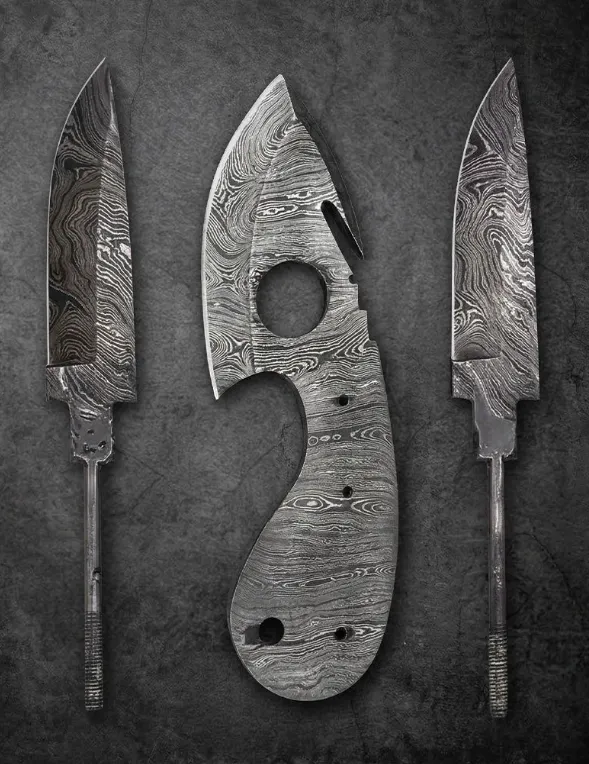
Custom knife making is a craft that combines traditional metalworking, creative design, and attention to detail. Every finished knife represents a combination of materials, craftsmanship, and design choices. One of the important starting points in this process is the knife blade blank.
A blade blank provides the foundation for a custom knife. It gives makers a starting point for creating a finished design that reflects their preferred handle style, appearance, and intended purpose.
Whether you are interested in knife collecting, custom designs, or traditional craftsmanship, understanding the journey from a blade blank to a finished knife can help you appreciate the work behind handmade knives.
What Is a Knife Blade Blank?
A knife blade blank is a pre-shaped blade component that has not yet been completed as a finished knife. Depending on the design, it may include the blade profile and a portion intended for handle attachment.
Blade blanks are used as starting components in custom knife projects. They allow makers to focus on selecting suitable handle materials, design details, and finishing options.
At JW SteelCrafts, you can browse our knife blade blanks collection to explore available options and compare designs for custom knife projects.
Why Are Knife Blade Blanks Important in Custom Knife Making?
Knife blade blanks play an important role because they provide the foundation for the overall design. Selecting an appropriate blank helps determine the finished knife’s proportions, appearance, and intended application.
Here are some reasons they are important:
- Design flexibility: Different blade profiles provide different design possibilities.
- Material selection: Buyers can compare available steel types and construction details.
- Customization options: Handle materials and finishing choices can influence the final appearance.
- Creative expression: Makers can develop individual designs around a suitable blade blank.
- Consistent starting point: A prepared blank provides a defined foundation for a custom project.
Choosing the right blank is an important decision because it influences many aspects of the finished product.
Different Types of Knife Blade Blanks
Knife blade blanks are available in several shapes and styles. Each design has its own visual characteristics and intended applications.
1. Drop-Point Blade Blanks
Drop-point blades feature a spine that slopes gradually toward the tip. This creates a recognizable profile that is commonly found in different knife designs.
2. Clip-Point Blade Blanks
Clip-point blades have a distinctive spine profile that appears to be clipped near the tip. This design gives the blade a recognizable shape.
3. Tanto-Style Blade Blanks
Tanto-style blades are known for their angular appearance and distinctive tip geometry. They are visually different from more traditional curved blade profiles.
4. Straight-Edge Blade Blanks
Straight-edge designs feature a relatively direct cutting-edge profile. Their simple appearance makes them an interesting option for various custom knife styles.
The most suitable design depends on the intended purpose, construction details, and preferences of the maker or buyer.
Understanding Steel Materials Used in Knife Blanks
Steel selection is one of the most important considerations when evaluating a knife blade blank. Different steel types offer different characteristics, including hardness, corrosion resistance, toughness, and edge retention.
Some common considerations include:
Carbon Steel
Carbon steel is widely used in traditional knife making. Depending on its composition and heat treatment, it can offer useful hardness and edge characteristics. However, some carbon steels require regular maintenance to help prevent corrosion.
Stainless Steel
Stainless steel is valued for its improved resistance to corrosion. It can be a practical option for people who prefer easier maintenance, although its properties vary depending on the specific alloy.
Damascus Steel
Damascus steel is recognized for its distinctive layered patterns. Its appearance is created through specialized forging and finishing techniques. The actual performance of a Damascus blade depends on its steel composition, construction, and heat treatment rather than its pattern alone.
The Journey from Blade Blank to Finished Knife
Turning a blade blank into a finished knife involves several design and craftsmanship considerations. The exact process varies depending on the blade, materials, and maker.
1. Selecting the Blade Blank
The first step is choosing a blade blank that matches the desired knife style. Factors such as blade shape, dimensions, steel type, and intended application should be considered.
2. Planning the Handle Design
The handle is an important part of a finished knife. Its material, shape, texture, and overall appearance contribute to the product’s identity.
Common handle materials include:
- Natural wood
- Bone and horn
- Micarta
- Resin composites
- Other decorative materials
Each material offers different visual characteristics and maintenance requirements.
Whether you are a collector, enthusiast, or someone interested in traditional craftsmanship, exploring handmade knives at JW SteelCrafts is a great way to discover different designs and appreciate the art behind handcrafted products.
3. Considering Fit and Construction
The relationship between the blade and handle is important for the finished design. Makers consider the construction, fitting, balance, and overall proportions of the knife.
4. Surface Finishing
Finishing contributes significantly to the final appearance. Different surfaces and decorative details can create a traditional, modern, polished, or rustic look.
5. Final Quality Inspection
Before a knife is considered complete, its overall construction and finish should be evaluated. Important considerations include the handle fitting, blade condition, surface quality, and consistency of the design.
How to Choose the Right Knife Blade Blank
Selecting a suitable blade blank requires more than choosing an attractive shape. Buyers should consider several factors before making a decision.
Consider the Intended Purpose
Think about the intended application of the finished knife. Different designs are associated with different uses, so the blade profile should match the product’s intended purpose.
Review Steel Specifications
Check the available information about steel composition, heat treatment, hardness, and corrosion resistance. These details provide a better understanding of the material.
Check Blade Dimensions
Blade length, width, thickness, and overall proportions influence the finished design. Always review the product specifications before selecting a blank.
Compare Available Designs
Different blade profiles offer different visual styles. Comparing several options can help you identify a blank that matches your project.
Evaluate Product Quality
Look for clear product descriptions and accurate images. Pay attention to the blade’s surface condition, construction details, and finishing.
Explore Knife Blank Blades at JW SteelCrafts
Finding a suitable starting point is an important part of any custom knife project. Exploring different blade profiles and available designs can help you understand the options before making a selection.
Review the product descriptions and specifications carefully to find a blade blank that matches your design preferences and requirements.
What Makes a Finished Handmade Knife Special?
A finished handmade knife brings together several individual elements. The blade, handle, materials, and finishing details all contribute to the overall design.
Some features that make handmade knives appealing include:
- Individual appearance: Different blade patterns and handle materials create distinctive designs.
- Craftsmanship: Attention to detail influences the quality of the finished product.
- Material combinations: The contrast between metal and handle materials can create an attractive appearance.
- Design variety: Handmade knives are available in many traditional and contemporary styles.
- Collector interest: Unique designs and decorative details can make certain pieces appealing to collectors.
The combination of these elements is what makes custom knife designs interesting to explore.
Common Mistakes to Avoid When Selecting a Blade Blank
Choosing the wrong blade blank can create difficulties when planning a custom knife project. Buyers can make better decisions by avoiding some common mistakes.
- Ignoring product specifications: Always check dimensions and material information instead of relying only on photographs.
- Choosing appearance over suitability: An attractive design should also match the intended application.
- Overlooking steel characteristics: Different steels have different performance and maintenance requirements.
- Ignoring handle compatibility: Consider how the blade design relates to the planned handle.
- Not checking product details: Review available descriptions and ask the supplier about anything unclear.
Careful selection helps create a more organized and informed purchasing process.
Why Traditional Knife Making Continues to Attract Enthusiasts
Traditional knife making remains interesting because it combines practical design with artistic expression. The choice of steel, blade profile, handle material, and finishing technique can give each finished piece its own character.
Some enthusiasts appreciate the historical side of the craft, while others are interested in modern materials and contemporary designs.
For collectors, handmade knives can represent the creativity and skill involved in producing distinctive objects. For makers, blade blanks offer a starting point for exploring different design ideas.
Conclusion: Appreciate the Craft Behind Every Finished Knife
The journey from a blade blank to a finished knife involves careful selection, design planning, material knowledge, and attention to detail. Every element contributes to the final appearance and overall quality of the product.
Understanding blade shapes, steel characteristics, handle materials, and finishing options can help buyers make more informed decisions when exploring custom knife making.
Frequently Asked Questions (FAQs)
1. What is a knife blade blank?
A knife blade blank is a pre-shaped blade component used as the starting point for a custom knife project. It may require additional design and finishing work before becoming part of a completed knife.
2. What materials are used for knife blade blanks?
Knife blade blanks can be made from different steel types, including carbon steel, stainless steel, and Damascus steel. Their characteristics depend on the specific composition and manufacturing process.
3. What is the difference between a blade blank and a finished knife?
A blade blank is a blade component that has not yet been completed as a finished knife. A finished knife includes the completed construction, handle, and final finishing details.
4. Which steel is suitable for custom knife making?
The suitable steel depends on the intended application and desired characteristics. Buyers should compare hardness, toughness, corrosion resistance, edge retention, and maintenance requirements.
5. Can knife blade blanks have different shapes?
Yes. Blade blanks are available in different profiles, including drop-point, clip-point, tanto-style, and straight-edge designs.
6. Why are handmade knives popular among collectors?
Handmade knives attract collectors because of their individual designs, material combinations, craftsmanship, decorative details, and variety of styles.

Lola Pickles is a Los Angeles-based humorist and digital marketer with a sweet tooth for satire. She writes content that’s crispy on the outside, funny on the inside — just like your favorite fried snack.