A metal railing can leave the factory looking flawless, only to show signs of rust or peeling months later. The problem may have started long before the product reached its customer, during cleaning, spraying, or curing. Powder coating equipment plays a part in how well a finish holds up against moisture, handling, and years of regular use.
A Durable Finish Begins Before the Powder Reaches the Metal
Surface preparation has a direct effect on how long a coating lasts. Oil, rust, and leftover welding residue can prevent powder from bonding firmly to metal. Even a small amount of contamination may create weak spots where moisture can eventually reach the surface. Cleaning and pretreatment equipment helps remove these materials and prepares the metal for coating. Proper pretreatment can also improve corrosion resistance, especially for products used outdoors.
Different metals need different preparation methods. Carbon steel may require rust removal and a suitable chemical pretreatment, while aluminum often needs a process designed for its surface. Manufacturers should match cleaning methods to the metal and its intended use. Good preparation gives the coating a better chance of staying attached through years of wear.
How Spray Equipment Affects Long-Term Protection
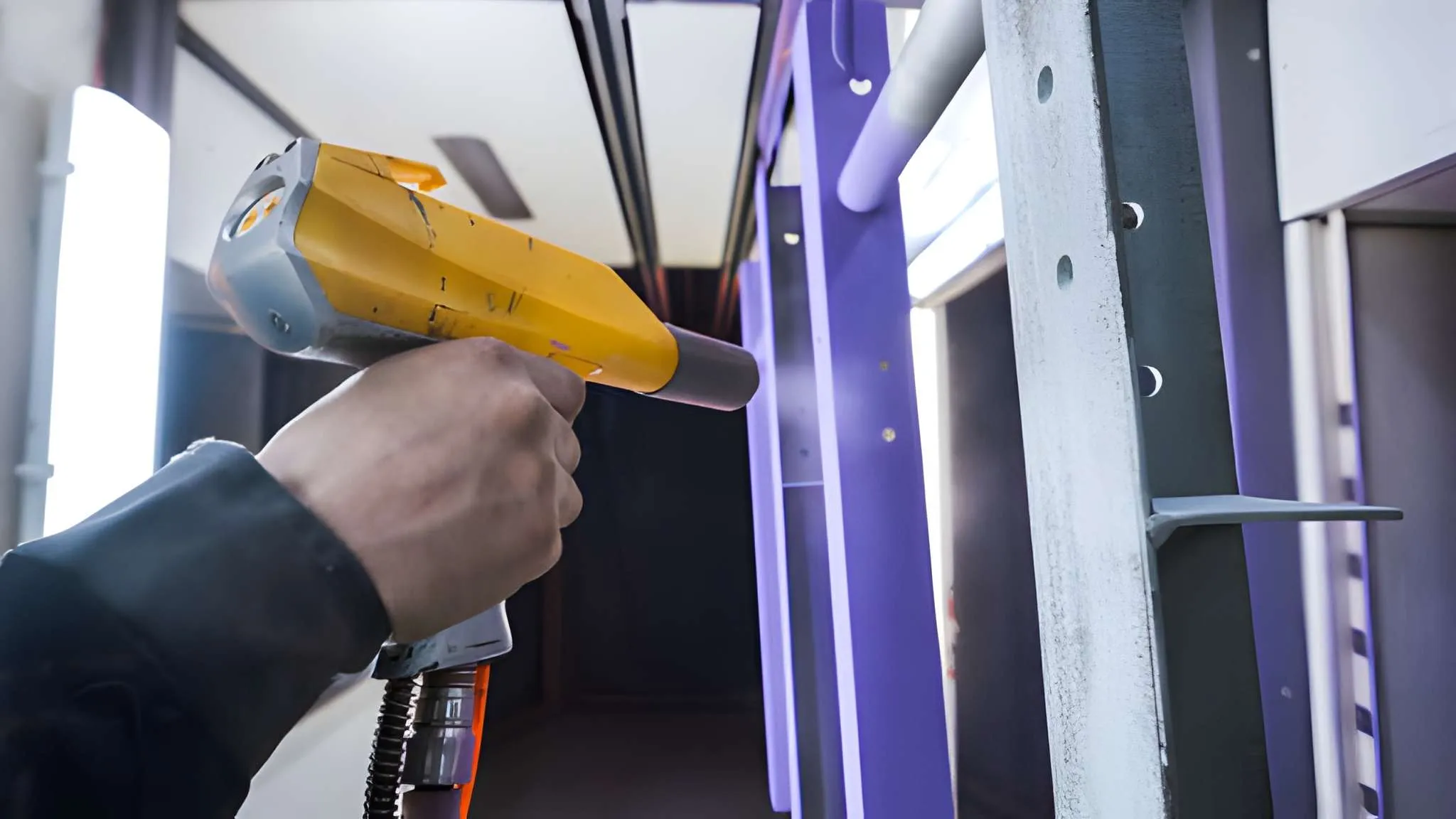
A coating must have enough thickness to protect the metal without creating other problems. Spray guns control how powder reaches the workpiece, while a steady powder supply helps maintain even application. Thin areas can leave metal more exposed to corrosion, especially around edges and welded joints. Excessive buildup may affect appearance or cause defects during curing. Well-maintained powder coating equipment allows operators to adjust powder flow and electrical settings to suit different part shapes. Regular thickness checks help confirm that the finished coating meets the required standard.
The Connection Between Proper Curing and Coating Strength
Powder needs the right amount of heat to form a durable finish. During curing, the material melts, flows across the surface, and undergoes a chemical reaction that develops its final properties. Powder coating ovens must heat the actual metal to the temperature specified by the powder manufacturer. An oven display alone cannot confirm that a thick steel component has reached the required temperature. Under-cured coatings may have poor adhesion, reduced chemical resistance, or weaker protection against wear.
Excessive heating can create problems, too. Certain powder formulations may lose gloss, change color, or suffer reduced performance after too much heat exposure. Operators should follow the recommended time and temperature settings for each coating. Temperature probes attached to representative parts can help confirm proper curing. This is especially useful for products with thick and thin sections that heat at different rates.
Booth Conditions Can Affect How Well a Finish Holds Up
Dust and loose powder can settle on coated surfaces before curing, leaving rough spots or unwanted particles trapped in the finish. A properly designed spray booth helps control airborne powder and keeps the application area cleaner. Effective filtration also helps reduce contamination during spraying. Shops handling multiple colors need regular cleaning procedures to prevent leftover powder from mixing with new material.
Booth conditions become especially important for products that require a smooth, protective coating. Dirt trapped beneath or within the finish may create defects that need repair, while poor airflow can interfere with powder application. Businesses comparing powder coating equipment for sale should examine filtration design, cleaning access, and airflow performance. These features affect daily coating consistency and help operators maintain cleaner working conditions.
Why Equipment Compatibility Matters for Durability
A spray gun, booth, and curing oven must work together to produce dependable results. A powder coating equipment package should have enough spraying capacity, working space, and heating performance for the parts being processed. Poorly matched components can lead to rushed application, crowded oven loads, or repeated handling of uncured parts. Each problem creates another opportunity for coating defects.
Better Finishing Equipment Supports Longer Product Life
A durable coating depends on more than its appearance after leaving the oven. Manufacturers need consistent surface preparation, proper film thickness, complete curing, and careful handling throughout production. Routine equipment checks can help identify worn spray components, dirty filters, and temperature problems before they affect finished products.
For metal fabricators and manufacturers concerned about coating durability, Reliant Finishing Systems provides industrial spray booths, curing ovens, and complete powder coating systems. These equipment options can support controlled application and curing for products with different sizes and finishing requirements. A shop dealing with uneven coating thickness or repeated curing problems can consider its equipment configurations as part of improving finish quality and reducing premature coating failures.

Lola Pickles is a Los Angeles-based humorist and digital marketer with a sweet tooth for satire. She writes content that’s crispy on the outside, funny on the inside — just like your favorite fried snack.