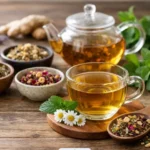

In recent years, the popularity of growing your own edible plants has skyrocketed, and for good reason. Whether you have a large garden, a small backyard, or even just a sunny windowsill, cultivating plants you can eat offers a unique combination of sustainability, freshness, and satisfaction. Beyond the practical benefits, it also opens the door to endless possibilities in your kitchen, especially when it comes to creating flavorful culinary dishes using fresh, homegrown herbs and produce.
Why Edible Plants Are Worth Growing
Growing your own edible garden is more than just a hobby—it’s a lifestyle choice that brings you closer to your food. When you plant, nurture, and harvest your own crops, you gain a deeper appreciation for what goes into every meal. Freshly picked ingredients often have a richer taste and higher nutritional value compared to store-bought alternatives.
Another major advantage is control. By growing edible plants, you decide what goes into your soil and onto your crops. This means fewer chemicals, more natural growth, and healthier meals for you and your family. It’s also a cost-effective solution over time, especially if you frequently cook at home.
The Role of Herbs in Everyday Cooking
No edible garden is complete without a selection of herbs. These small but powerful plants can transform even the simplest meals into something extraordinary. From basil and parsley to thyme and rosemary, herbs bring depth, aroma, and freshness to your cooking.
Fresh herbs are particularly valuable in culinary dishes because they retain essential oils that often fade in dried versions. Imagine adding freshly picked basil to a pasta sauce or mint to a refreshing summer drink—these small touches can elevate your meals significantly.
Some of the most popular herbs to grow include:
• Basil – perfect for Italian-inspired dishes
• Rosemary – ideal for roasted meats and vegetables
• Thyme – versatile and great for soups and sauces
• Mint – refreshing for drinks and desserts
• Chives – excellent for salads and garnishes
These herbs are relatively easy to grow and can thrive in pots, making them ideal even for beginners.
Best Edible Plants for Beginners
If you’re just starting your journey, choosing the right plants is key. Some varieties are more forgiving and require less maintenance, making them perfect for new gardeners.
Leafy greens like lettuce and spinach are fast-growing and can be harvested multiple times. Tomatoes, especially cherry varieties, are also a favorite due to their high yield and sweet flavor. Peppers, beans, and zucchini are other great options that provide a steady supply throughout the season.
The beauty of growing edible plants is that you can tailor your garden to your personal taste. Love cooking Italian food? Focus on tomatoes, basil, and oregano. Prefer fresh salads? Grow cucumbers, lettuce, and radishes. Your garden becomes an extension of your kitchen.
From Garden to Plate: Enhancing Culinary Dishes
One of the most rewarding aspects of growing your own food is using it in your cooking. Fresh ingredients can completely change the outcome of your culinary dishes, making them more vibrant and flavorful.
When you harvest your plants just before cooking, you capture peak freshness. This means better texture, stronger aroma, and more intense taste. Even simple recipes—like a salad, pasta, or grilled vegetables—become gourmet experiences when made with homegrown ingredients.
Additionally, experimenting with your harvest encourages creativity. You may find yourself trying new recipes, combining flavors differently, or even creating your own signature dishes.
Sustainable Living Through Edible Gardening
Beyond taste and convenience, growing edible plants supports a more sustainable lifestyle. It reduces reliance on packaged goods, lowers your carbon footprint, and minimizes food waste. You harvest only what you need, when you need it.
Composting kitchen scraps and using them to enrich your soil creates a natural cycle that benefits both your garden and the environment. Over time, this approach leads to healthier plants and more productive harvests.
Tips for a Successful Edible Garden
To get the most out of your garden, keep a few simple principles in mind:
• Choose plants suited to your climate and space
• Ensure adequate sunlight for optimal growth
• Water consistently but avoid overwatering
• Use quality soil rich in nutrients
• Harvest regularly to encourage new growth
Consistency is key. Even a small amount of daily care can make a significant difference in the health and productivity of your plants.
Growing your own edible plants is a fulfilling journey that blends gardening with culinary exploration. It allows you to take control of your ingredients, enhance your culinary dishes, and enjoy the unmatched flavor of fresh herbs and produce.
Whether you’re a seasoned gardener or a complete beginner, starting your own edible garden is a step toward healthier eating, greater creativity in the kitchen, and a more sustainable way of living. Once you experience the difference, it’s hard to go back to anything less.

Lola Pickles is a Los Angeles-based humorist and digital marketer with a sweet tooth for satire. She writes content that’s crispy on the outside, funny on the inside — just like your favorite fried snack.